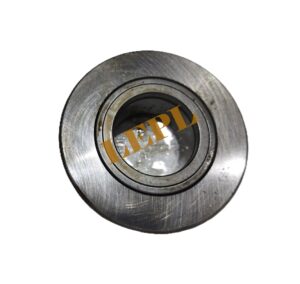
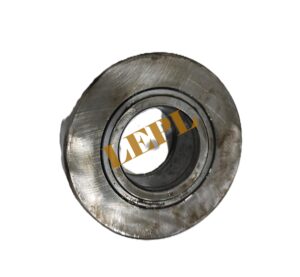
A skip bucket roller bearing is a specialized bearing used on skip buckets—the containers that travel up and down in mining shafts, hoists, or concrete batching plants. These buckets run along guides or rails, and roller bearings reduce friction and keep the bucket aligned during travel.
Skip buckets, also known as skip hoists, elevate aggregates and other materials in vertical batching plants for ready-mix concrete production. Roller bearings in these components support the wheels or pulleys on the skip bucket's hoist mechanism, handling heavy radial and axial loads from repeated lifting cycles. These bearings endure harsh conditions like dust, vibration, and moisture typical in batching plants.
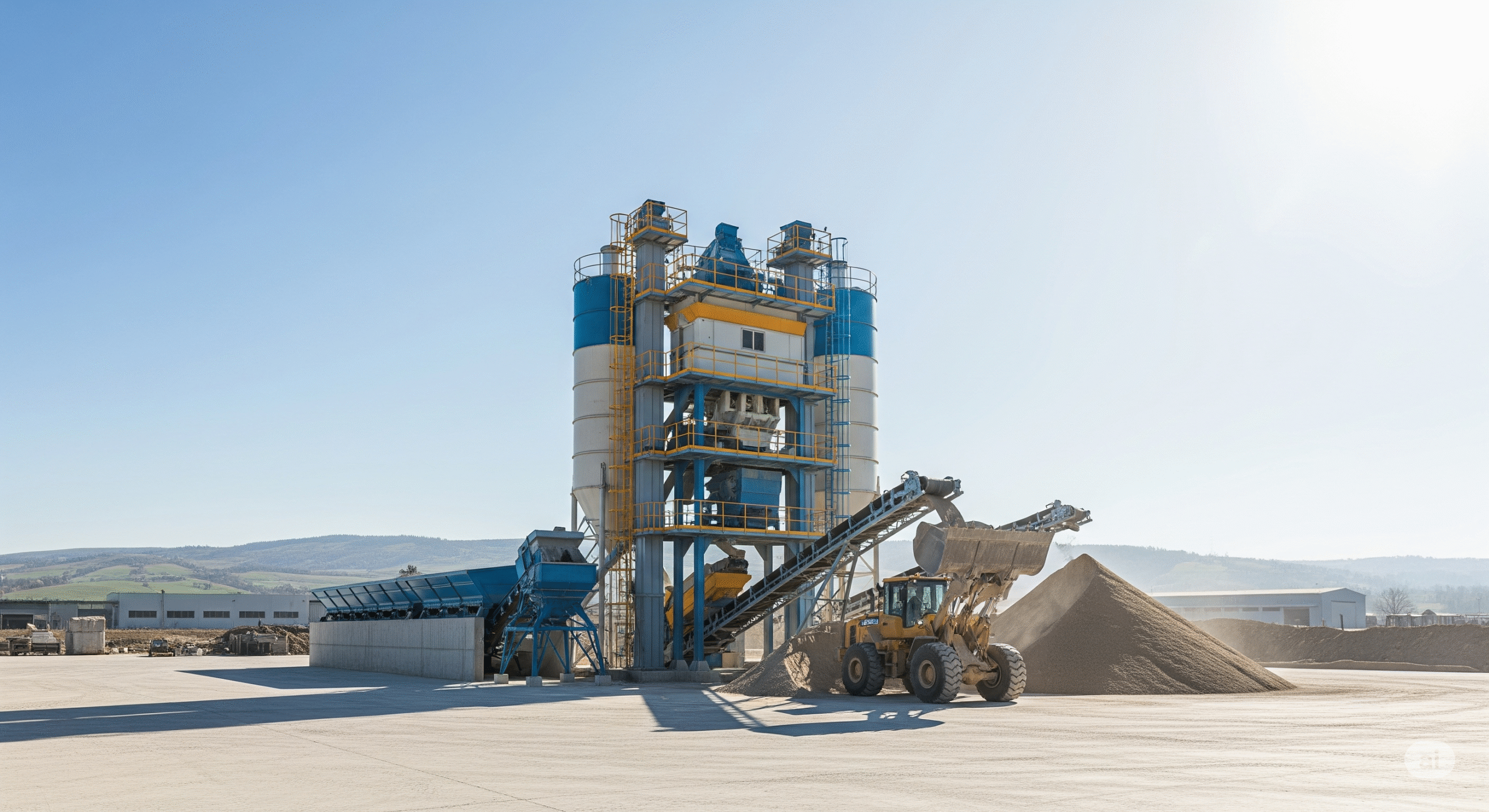
The skip bucket roller bearings in a concrete batching plant are crucial components of the skip hoist system. Their primary function is to facilitate the smooth and reliable movement of the skip bucket as it travels along its track to load aggregates (like sand and gravel) into the concrete mixer.
Skip bucket roller bearings are applied in the skip hoist mechanism of vertical concrete batching plants, where they support the wheels or pulleys that guide the skip bucket along steel rails during aggregate lifting. These bearings enable smooth vertical transport of sand, gravel, and cement (up to 3 cubic meters per cycle) from ground level to the mixer platform, typically 20-40 meters high.
- Smooth Movement: The skip bucket roller, equipped with bearings (often roller bearings for their heavy load-handling capacity), rolls along the inclined track of the skip hoist. The bearings reduce friction, ensuring the heavy skip bucket—loaded with aggregates—can be lifted and lowered efficiently and without excessive wear on the roller or the track.
- Load Support: They are designed to withstand significant radial loads (due to the weight of the skip bucket, its contents, and the roller mechanism itself) and some axial loads, especially under the rigorous, continuous operation of a concrete batching plant.
- Durability and Reliability: Due to the harsh environment, including dust, dirt, and high load cycles, these roller assemblies are typically made from high-strength or alloy steel and require robust bearings to ensure longevity and minimal downtime for the plant.
- Supports the skip bucket as it moves on guide rails
- Reduces wear and vibration
- Helps maintain smooth vertical motion
- Handles heavy loads, shock, and dust-intensive environments
Regular maintenance is essential for the skip bucket roller bearings to prevent premature failure, which can halt the entire batching process.
Lubrication: Proper and timely lubrication is critical. Bearings must be greased according to the manufacturer's recommendations to reduce friction, prevent overheating, and extend service life.
Inspection: Routinely inspect the rollers and bearings for signs of wear, cracks, distortion, or unusual noise/vibration.
Alignment: Ensure the skip roller and its bearings are correctly positioned and aligned on the track to prevent uneven wear and excessive stress.
Cleanliness: Keep the roller area and the track clean from concrete build-up, dirt, and dust, as contamination is a major cause of bearing failure.
In essence, the bearings enable the skip hoist—which is the main method of aggregate transportation in a skip hoist-type batching plant—to function reliably, ensuring the aggregates are delivered to the mixer for processing.
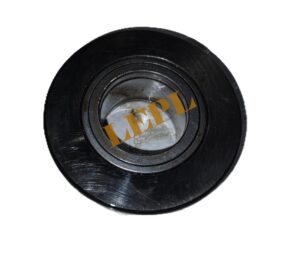
During operation, the bearings rotate under wire rope tension from the hoist motor (15-30 kW), handling cyclic loads of 10-50 tons while the skip ascends at 0.5-1 m/s and descends rapidly for efficiency. Operators monitor for unusual noise or vibration, applying grease every 200-500 cycles via jerk fittings to maintain low friction (coefficient <0.01). Replacement occurs every 1-2 years based on 10,000+ hours runtime in dusty conditions
- Skip bucket roller bearings in concrete batching plants feature heavy-duty cylindrical or tapered roller designs optimized for high radial and axial loads from skip hoist operations. Key elements include optimized pocket, radial, and guide clearances to minimize impact forces by up to 9%, reduce whirl deviation by 3%, and lower power loss by 1-2% during high-speed rotations.
- These bearings incorporate full-complement roller arrangements without cages for maximum load capacity, often in sizes like 22220 or 22320 series with bore diameters of 100-150mm. Sealed configurations with high-temperature grease retainers protect against cement dust ingress, while hardened steel rollers and races ensure durability under shock loads exceeding 200kN dynamic rating.
- Additional features encompass curvilinear inner surfaces on sliding variants for improved lubrication film stability and vibration damping, extending service life in harsh environments. Multi-lip seals and corrosion-resistant coatings align with batching plant needs.
- Heavy-duty sealed roller bearings
- Steel or cast-iron housings
- Side flanges or mounting brackets
- Dust- and moisture-resistant seals
Common types include heavy-duty cylindrical or tapered roller bearings designed for high load capacities, such as 222 series or 223 series from manufacturers like SKF, FAG, or Timken. Typical sizes range from 100-200mm inner diameter, with load ratings exceeding 200kN dynamic and 300kN static to support skip capacities of 1-3 cubic meters. Sealed designs with grease lubrication extend service life to 20,000-50,000 hours under proper maintenance.