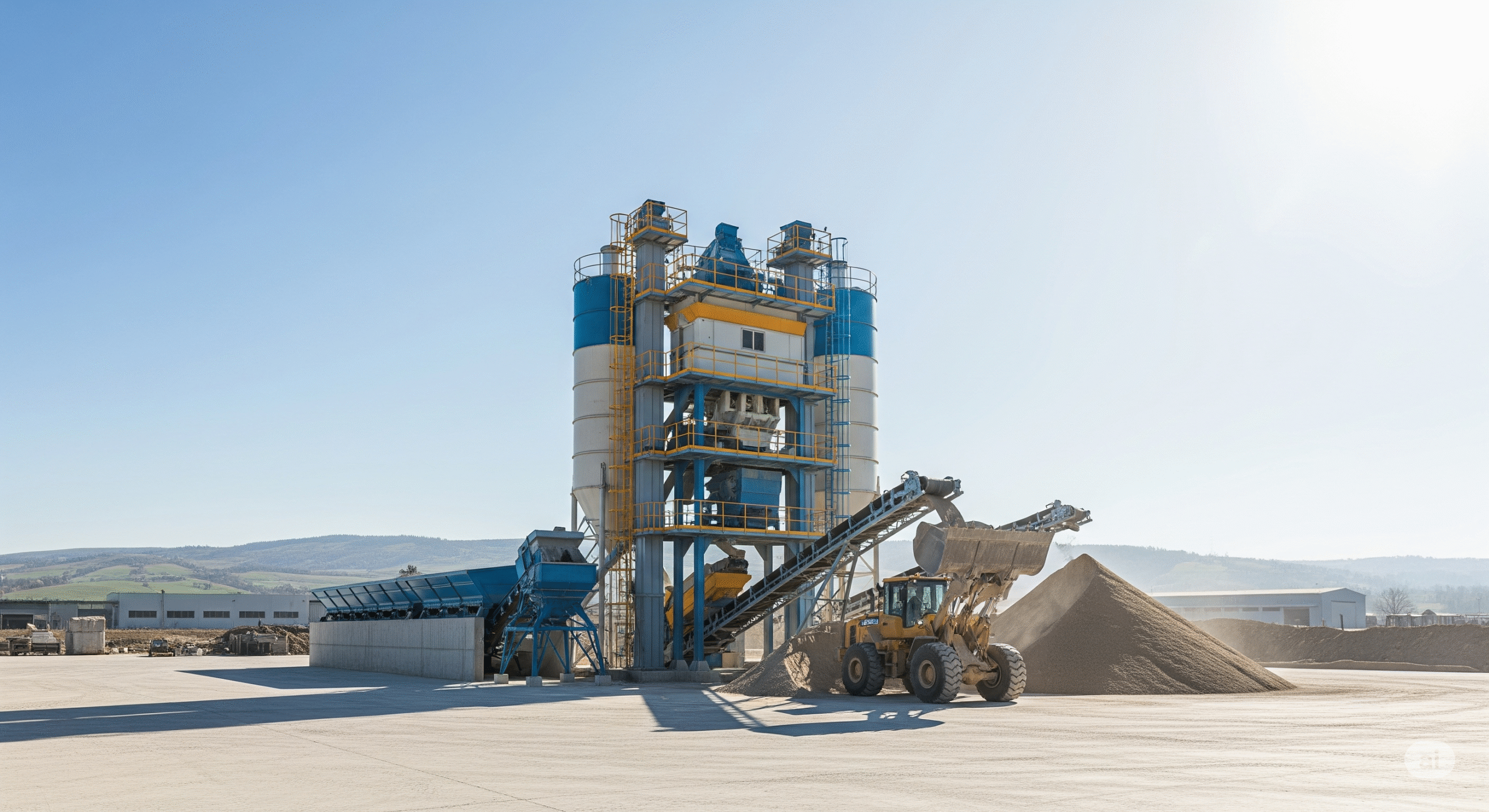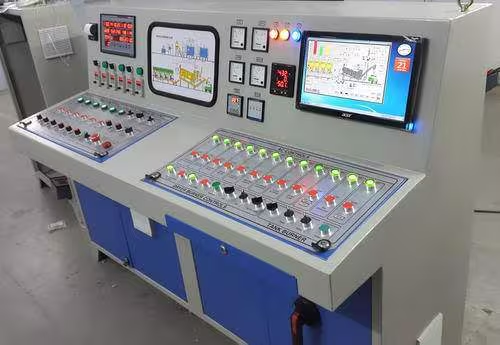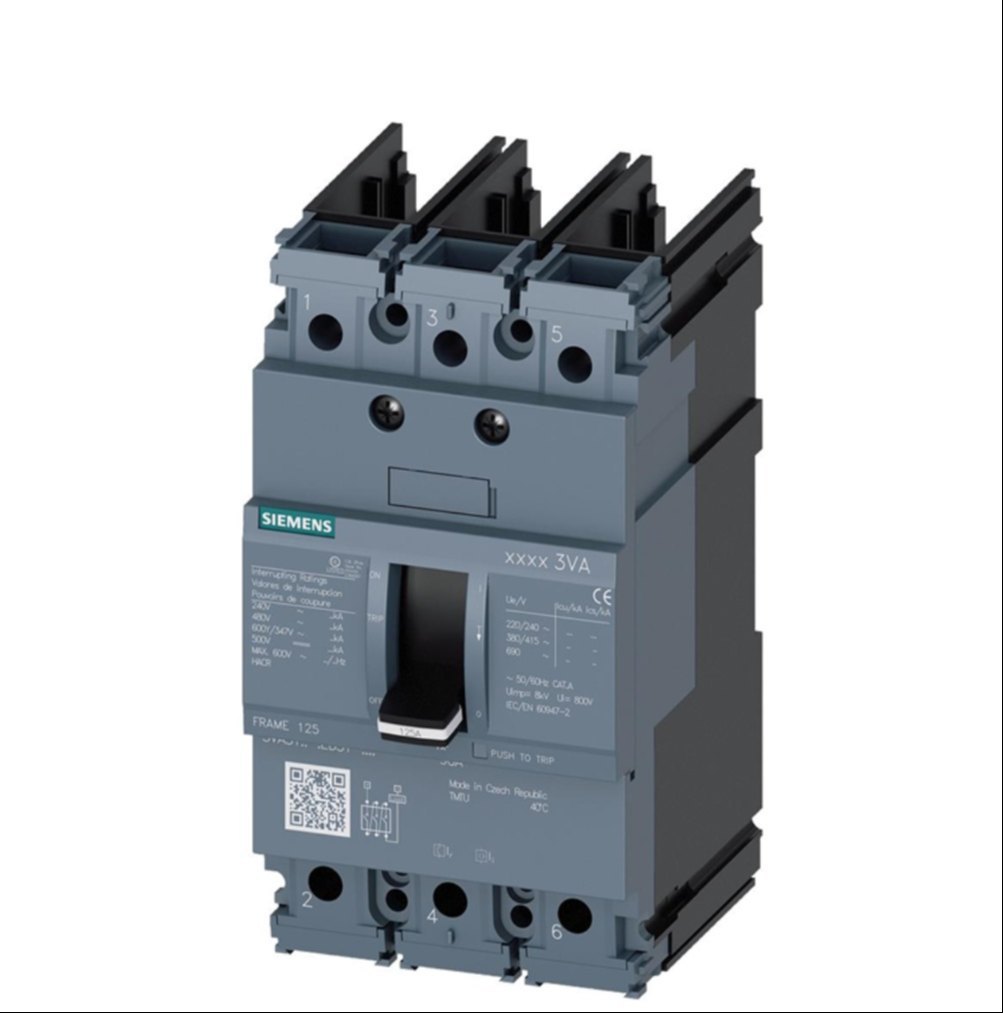
A concrete batching plant is a facility that accurately measures, batches, and mixes cement, aggregates, water, and admixtures to produce concrete of consistent quality. In India, these plants are used for ready-mix concrete, infrastructure projects, metro works, roads, bridges, buildings, and industrial construction.
The quality of the final concrete depends mainly on batching accuracy, mixer performance, moisture correction, and control system reliability.
Modern batching plants improve productivity, reduce material wastage, and ensure compliance with quality standards.
India is one of the world's largest consumers of concrete due to rapid urbanization and infrastructure development.
Concrete batching plants provide:
- Consistent concrete quality
- Faster construction
- Reduced labor requirements
- Lower material wastage
- Improved quality control
- Environment-friendly production
- Automated record keeping
- Better durability of structures
Typical Indian applications include:
- National highways
- Metro rail projects
- Smart cities
- Airports
- Ports
- Industrial parks
- High-rise buildings
- Residential townships
- Dams and irrigation works
- Precast concrete factories
To select a concrete batching plant in India, match the plant’s capacity, type, mixer, automation, site conditions, and service support with your project needs. The best choice depends on whether you are supplying RMC, building infrastructure, or running a compact project site.
Selection points
- Define your production target.
- Choose the plant size based on required output such as 20, 30, 45, 60, 90, or 120 m3/hr.
- Choose the plant type. Use stationary plants for long-term large projects, mobile plants for shifting sites, and compact/containerized plants where space is limited.
- Select the mixer carefully. Twin-shaft mixers suit high-output infrastructure work, planetary mixers suit precast and precise mixes, and pan mixers are simpler and lower cost.
- Check storage and material handling. Make sure aggregate bins, cement silos, conveyors or skip hoists, and water/admixture systems suit your mix design and site layout.
- Decide the automation level. Manual plants are basic, semi-automatic plants give some control, and PLC/SCADA plants give better accuracy, data logging, and diagnostics.
- Verify site and mobility needs. Urban or limited-space sites usually need compact or mobile plants, while large fixed projects can use stationary units.
- Check power, water, and foundation requirements. The plant must fit your power supply, water availability, and civil foundation plan.
- Confirm compliance and standards. IS 4925 is the main Indian standard for batching and mixing plants, so compliance matters for quality and procurement.
- Assess after-sales support. Prefer a supplier with local service, spare parts, training, and fast breakdown support.
- Compare total cost, not just purchase price. Energy use, maintenance, downtime, and resale value matter in the final decision.
Practical choice guide
- For highways, bridges, metros, and RMC supply: stationary, fully automatic, higher-capacity plant.
- For small or shifting projects: mobile or compact plant.
- For precast and high-quality controlled mixes: plant with planetary or twin-shaft mixer.
- For budget or small-scale use: mini or semi-automatic plant, but with the understanding that output and precision will be lower.
Simple checklist before buying
- Required output per hour.
- Type of concrete to be produced.
- Site space and transport access.
- Mixer type and batching accuracy.
- Automation, calibration, and data logging.
- Compliance with IS 4925.
- Spares, warranty, and service network.
Best practice
In India, do not choose only by catalogue capacity. The correct plant is the one that matches your daily output, project duration, concrete quality requirement, and maintenance support in your region
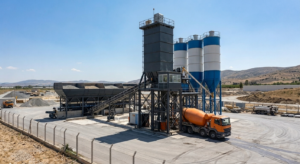
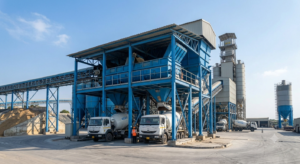
Major concrete batching plant manufacturers in India
Sr. No. Manufacturer Base / major presence Typical relevance
- PLUSE Equipments Ahmedabad All Types Batching Plants
2 Schwing Stetter India Chennai / nationwide Large RMC, Infrastructure, high-capacity plants
3 Ajax Engineering Bengaluru RMC, mobile, stationary and self-loading equipment
4 Ammann India Ahmedabad Batching & concrete Equipment
5 Aquarius Engineers Pune Stationary, mobile and compact plants
6 MACONS Equipments Ahmedabad RMC, stationary, Mobile & Compact plants
7 KYB-Conmat Vadodara Batching plants and concrete equipment
8 Apollo Infratech Gujarat Batching plants and concrete equipment
9 Universal Construction Maharashtra Batching/concreting Equipment
Machinery & Equipment
10 Putzmeister India Batching/concrete equipment
11 SIMEM India India Batching plants and concrete technology
12 Nilkanth Ahmedabad Stationary, mobile, compact
13 Coninfra Machinery Ahmedabad Stationary and mobile batching
14 Atlas Gujarat Stationary/mobile batching plants
15 Venus Equipment India Batching Plants
16 Esquire Machines Vadodara Mini batching Plants
17 Creative Engineers Ahmedabad Batching plant
18 Brickvision Equipment Pune RMC/batching plants
19 Fiori India / Ajax Fiori India Self loading concrete Equipment
20 Janyu Technologies India Concrete/RMC plant