In a concrete batching plant, precision is everything. A load cell is essentially the "sense of touch" for the plant, converting the mechanical force of raw materials into a measurable electrical signal. Without them, achieving the specific chemical ratios required for high-strength concrete would be impossible.
Load cells are critical components in concrete batching plants—they measure weight accurately so the correct proportions of cement, aggregates, water, and admixtures are used. Different types are chosen based on where and how they’re used in the plant. Load cells are essential sensors in ready-mix concrete batching plants, converting material weight into electrical signals for precise batching of aggregates, cement, water, and additives.
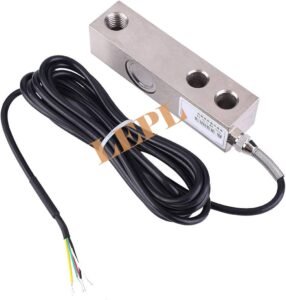
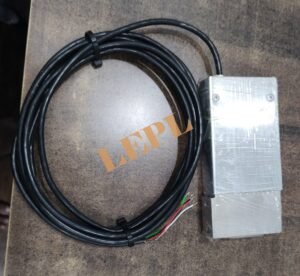
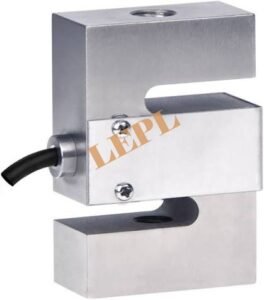
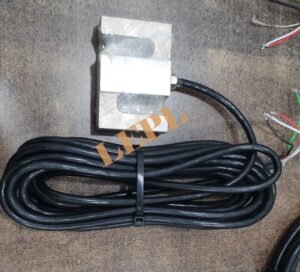
Concrete batching plants primarily use two load cell designs: beam-type pressure load cells and S-type tension load cells. S-type cells, often made from stainless steel or alloy steel, handle both tension and compression, making them ideal for aggregate batchers like PLD800 or PLD1200 models. These cells are hermetically sealed, temperature-compensated (-30°C to +70°C), and offer high linearity with low hysteresis and creep for reliable performance in harsh environments.
Application Typical Load Cell Type
Aggregate hopper Shear beam / Compression
Cement silo Compression (canister)
Water tank S-type / Tension
Admixture system Bending beam / S-type
Conveyor/belt scale S-type / Shear beam
- Compression Load Cells:
How they work: They measure force when a load presses down on them (compression).
Where used:
- Cement silos
- Aggregate bins
- Weigh hoppers
Why they’re used:
- High load capacity (can handle tons of material)
- Durable and stable for static weighing
Common shapes:
- Canister type
- Column type
- Tension Load Cells
How they work: They measure force when pulled (tension).
Where used:
- Suspended hoppers
- Hanging tanks (like water or admixture tanks)
Why they’re used:
Ideal when the structure is hanging rather than supported from below
- Shear Beam Load Cells
How they work: They measure deformation caused by shear force when a load is applied.
Where used:
- Platform scales
- Small to medium hoppers
Why they’re used:
- High accuracy
- Less sensitive to side loads and vibrations
Types:
- Single-ended shear beam
- Double-ended shear beam
- Bending Beam Load Cells
How they work: They measure strain due to bending when load is applied.
Where used:
- Smaller batching systems
- Admixture dosing systems
Why they’re used:
- Cost-effective
- Suitable for lower capacities
- S-Type Load Cells
How they work: Shaped like an “S,” they can measure both tension and compression.
Where used:
- Suspended hoppers
- Belt scales
- Liquid weighing systems
Why they’re used: Versatile (can handle both pulling and pushing forces)
- Digital Load Cells
How they work: They convert the signal into digital form inside the load cell itself.
Where used:
Modern automated batching plants
Why they’re used:
- Better noise immunity (important in industrial environments)
- Easier calibration and diagnostics
- More accurate data transmission
- Analog Load Cells
How they work: They output an analog electrical signal proportional to weight.
Where used: Traditional batching plants
Why they’re used:
- Lower cost
- Widely used and easy to replace
Most load cells used in these plants are strain gauge load cells.
- Mechanical Force: Weight (from sand, cement, or water) is applied to the load cell body.
- Deformation: The metal body (usually steel) undergoes a microscopic deformation.
- Resistance Change: Small sensors called strain gauges are bonded to the metal. As the metal bends, the gauges stretch or compress, changing their electrical resistance.
- Signal Output: This change is measured via a Wheatstone Bridge circuit, which sends a millivolt signal to the plant's control computer to display the weight.
When choosing load cells in a batching plant:
- Capacity (tonnage)
- Accuracy requirements
- Mounting style (compression vs suspension)
- Environmental conditions (dust, moisture, vibration)
- Maintenance and calibration needs
They resist dust, vibration, humidity, and impacts common in plants, maintaining accuracy under tough conditions. Capacities range from smaller sizes in kgs to higher sizes in tons, with features like wide load ranges and compact designs for tight spaces. Regular inspection prevents buildup on moving parts, boosting efficiency and reducing waste.
Accurate load cells guarantee consistent batches, optimizing resource use and productivity in ready-mix operations. Digital versions send analog signals to processors for perfect mix proportions, minimizing errors in high-volume production.
Concrete plants are brutal environments. For a load cell to survive, it must meet several standards:
- IP68/IP69K Rating: It must be completely dust-tight and waterproof. Cement dust is abrasive, and plants are frequently hosed down.
- Temperature Compensation: Plants operate in freezing winters and scorching summers. Load cells must remain accurate despite metal expansion or contraction.
- Lightning/Surge Protection: Since batching plants are tall metal structures, they are prone to static and lightning. Quality load cells often have built-in surge protection
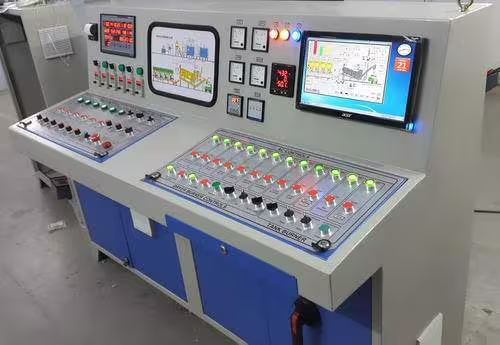
A batching hopper rarely sits on just one load cell; it usually sits on three or four to maintain balance. The Junction Box (J-Box) collects the signals from all cells, averages them, and sends a single, stable data point to the control cabin.
Pro-Tip: If your scale is "drifting" or showing inconsistent weights, it’s often not the load cell itself, but moisture or a loose wire inside the Junction Box.
To ensure the concrete meets building codes, load cells require:
- Zeroing: Ensuring the scale reads "0" when the hopper is empty (accounting for "dead weight").
- Standard Weight Calibration: Using certified test weights to ensure that 1,000kg of sand actually weighs 1,000kg in the system.
- Mechanical Clearance: Checking that no dried concrete "bridges" the gap between the hopper and the frame, which would "bypass" the load cell and cause light readings.
- Overloading
Exceeding capacity damages the sensor
- Moisture / Water Ingress
Causes signal drift or failure
- Cable Damage
Leads to unstable readings
- Improper Installation
Uneven load distribution → incorrect readings
- Vibration & Shock
Affects measurement stability
- Mount on rigid, level structure
- Use anti-vibration pads
- Ensure proper alignment
- Provide overload protection
- Shield cables from water and mechanical damage